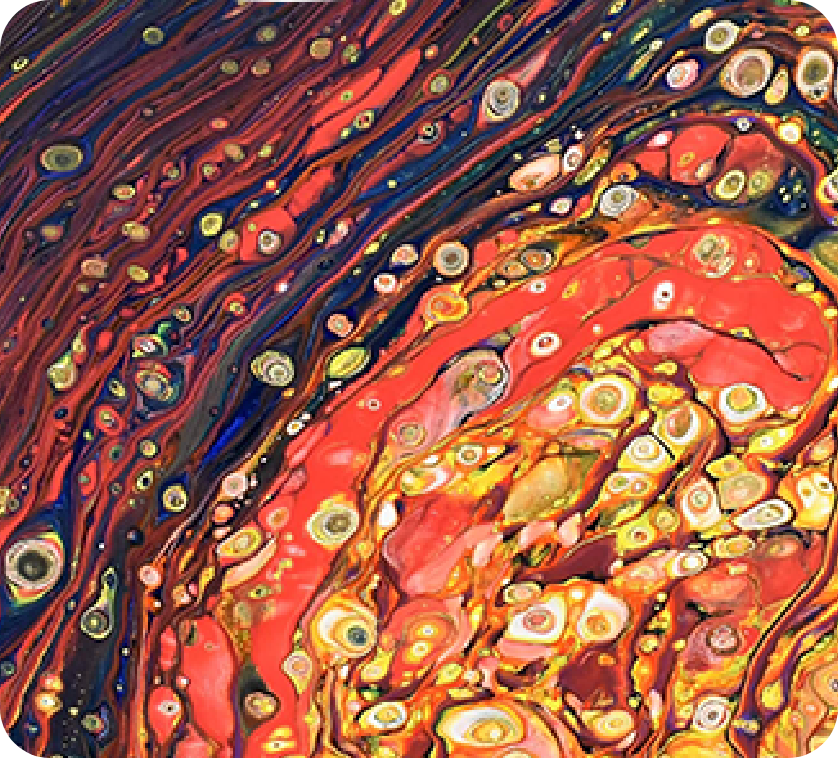
What’s exclusive about Fluid Art?
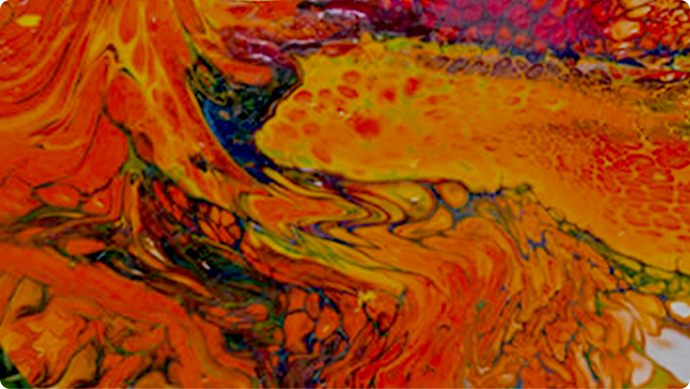
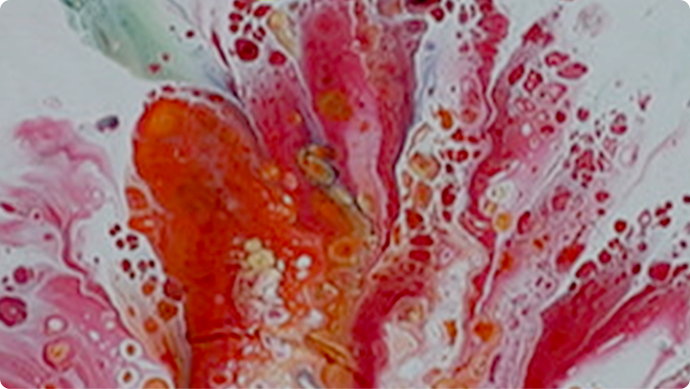
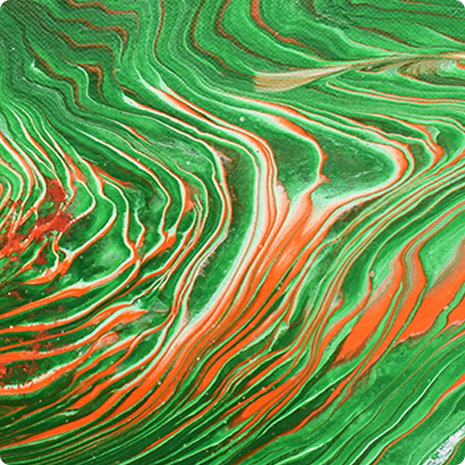
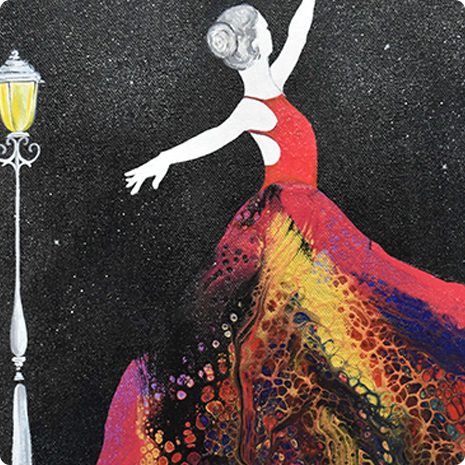
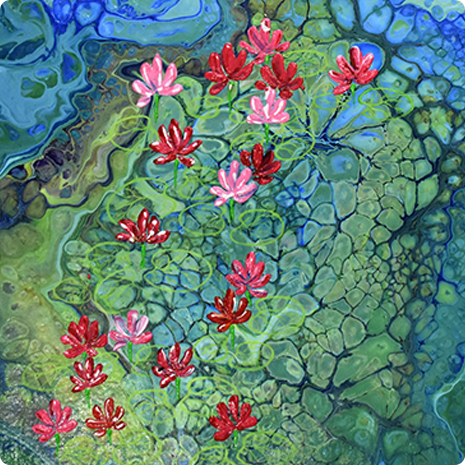
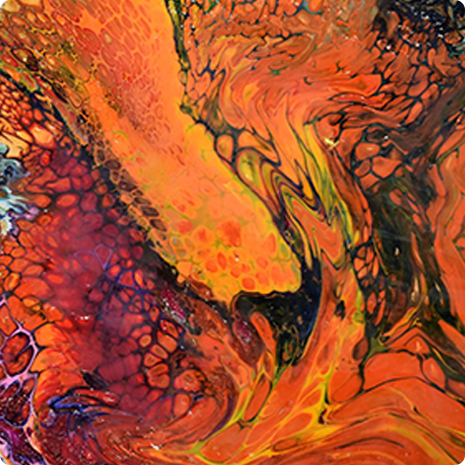
The newest Trend in art world is Acrylic Pouring, which is a fun, creative way to make abstract art.
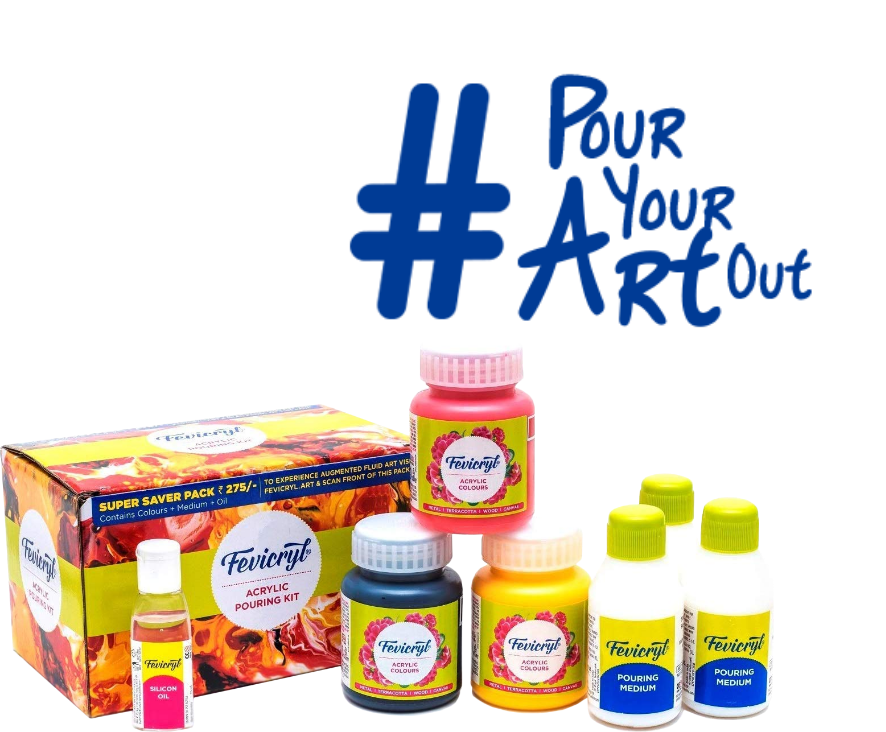
In this, Acrylic Paint is mixed with pouring medium and then poured onto a variety of surfaces like canvases, wood, mirrors, ceramic tiles and more in different ways.
Acrylic pouring does not require any complex artistic skills; just a dash of affinity for colours and sense of fun is what it takes!
Video Gallery
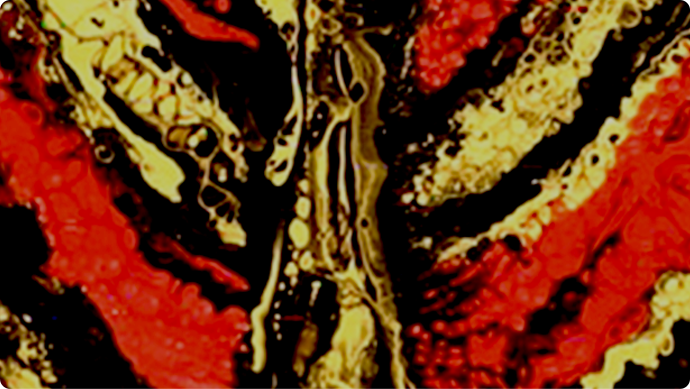
Dirty Pouring
Mix bright colours together in numerous interesting ways and pour them onto your canvas! Watch more to learn how.
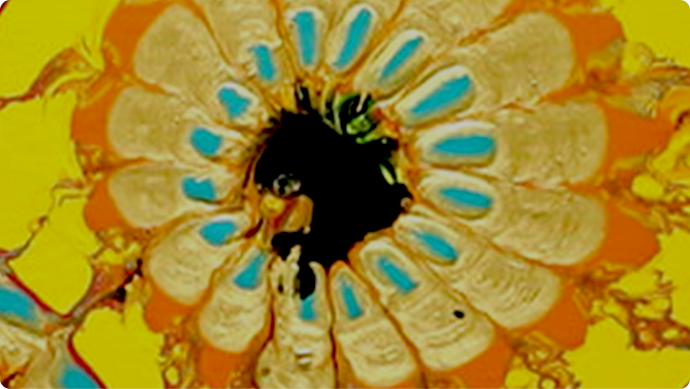
Flower Dip Technique
An easy peasy way to make beautiful canvases by layering the paints and then dipping the canvases into it.
Feather Swipe Technique
A unique method of spreading paints in fluid painting which leads to the creation of a myriad of interesting cells.
Sink Strainer
Make beautiful patterns using a sink strainer and dirty pour technique. Watch more to learn how!
Dutch Pour Technique
Dutch Pour Technique is a fun, simple clean pour technique using a hairdryer or a straw to create movement and cells.
The Process
Step 1
Mix Fevicryl Colours with pouring medium in the required ratio.
Step 2
Pour the colours onto the surface using various techniques.
Step 3
Leave it to dry completely.
Buy these creative Acrylic Colours online

Want to see some amazing Fluid Art creations made by the winners of #AllCanArt ?
View All Winners
Try making your own Fluid Art and share it with us
Fluid Art Gallery
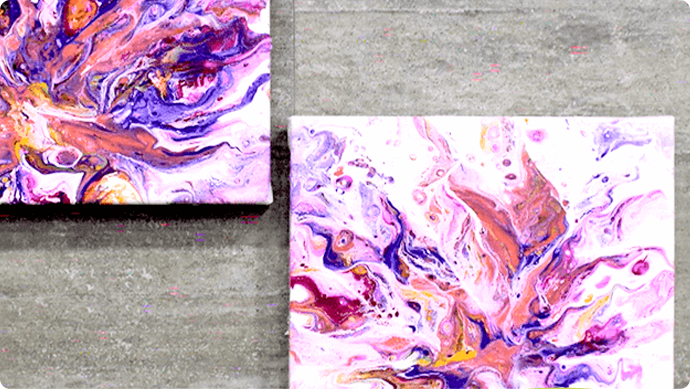
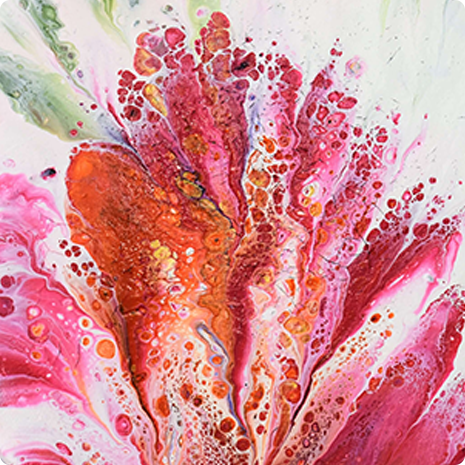
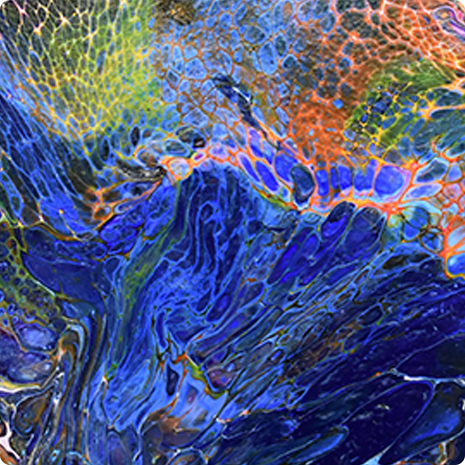
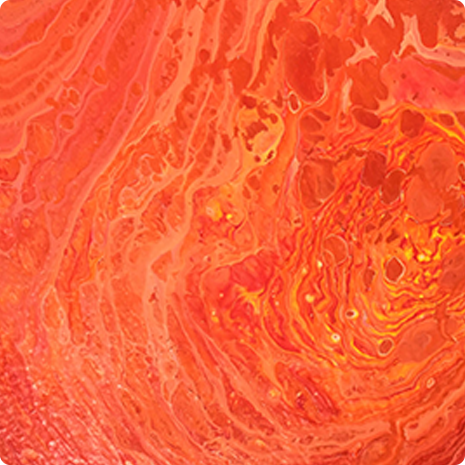
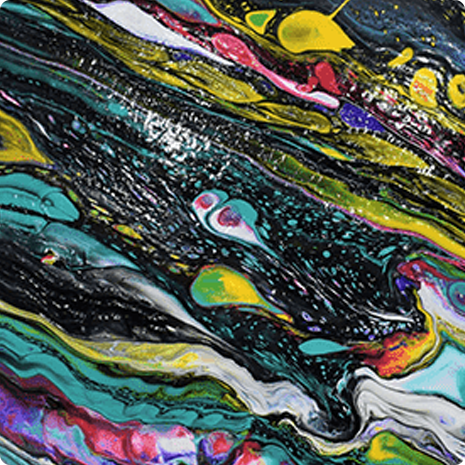
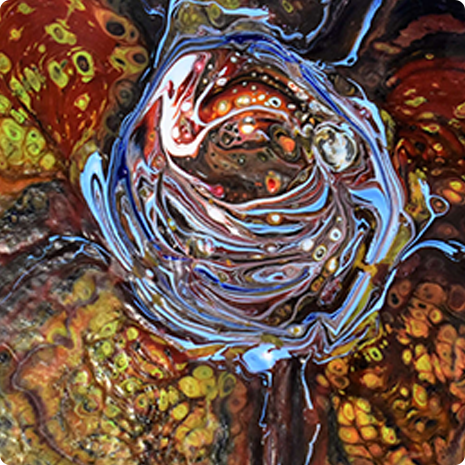
The beauty of Fluid Art lies in the abstract paintings as none of the two paintings are similar.
FAQs
Conduct a Workshop
Want to conduct a workshop in your school or office let us know.
Get in touch
FAQs
What is acrylic pouring? +
Acrylic pouring is a great and a creative way of making abstract art. In this acrylic colours are mixed with medium and poured onto a surface. Various techniques are employed for pouring which results in myriad patterns and each piece is unique.
What is the material to be used for acrylic pouring? +
For acrylic pouring we need acrylic colours, primed surface for pouring, pouring medium, silicone oil for creating cells, blow torch, cups for colours, sticks for stirring paints, gloves and plastic sheet for the base.
What are the various acrylic pouring techniques? +
There are myriad of acrylic pouring techniques like flip cup, dirty pouring, puddle pour, swipe, tree ring pour, sink strainer pour, drawbridge swirl, Dutch pour and more.
Do I require silicone oil for cells? +
Cells can be created by using multiple products like cooking oil, hair serum, alcohol and more but silicone oil creates the most stable cells.
How much colours do I need for pouring? +
That depends on the size of the canvas and the technique being used and the end effect that the artist desires.
Do I need a coat of varnish after the colours have dried? +
For longevity of the art and brightness of the colours it is advisable to apply a coat of varnish after the colours have dried completely. If you are using silicone oil do wipe the surface of the canvas before coating with varnish.
How do I avoid wastage of paints?+
Acrylic pouring will entail some wastage. Try and take adequate amount of paint for the canvas you are using. You may paint small coasters or vases with the colours that drip down the sides.
How do I avoid wastage of paints?+
Acrylic Pouring canvases take 24 hours to dry in normal conditions.
What is pouring medium?+
Pouring medium is an additive used to make paints fluid and apt for pouring. Pouring medium also provides gloss to the colours which tend to dull slightly after drying. Medium helps in slow drying of the colours so that they don’t crack or craze due to uneven drying.
What is silicone oil?+
Silicone oil is lubricant oil which assists in creating cells during pouring. High Viscosity oil creates small cells and low viscosity oil creates big cells.
$(document).ready(function(){
$(‘#video1’).click(function () {$(‘.transd’).show(); $(‘#videopop1’).show();})
$(‘#video2’).click(function () {$(‘.transd’).show(); $(‘#videopop2’).show();})
$(‘#video3’).click(function () {$(‘.transd’).show(); $(‘#videopop3’).show();})
$(‘#video4’).click(function () {$(‘.transd’).show(); $(‘#videopop4’).show();})
$(‘#video5’).click(function () {$(‘.transd’).show(); $(‘#videopop5’).show();})
$(‘#video6’).click(function () {$(‘.transd’).show(); $(‘#videopop6’).show();})
$(‘.closevpop’).click(function () {
$(‘.transd’).hide(); $(‘.videopop’).hide();
$(“#videopop1 iframe”).attr(“src”, $(“#videopop1 iframe”).attr(“src”));
$(“#videopop2 iframe”).attr(“src”, $(“#videopop2 iframe”).attr(“src”));
$(“#videopop3 iframe”).attr(“src”, $(“#videopop3 iframe”).attr(“src”));
$(“#videopop4 iframe”).attr(“src”, $(“#videopop4 iframe”).attr(“src”));
$(“#videopop5 iframe”).attr(“src”, $(“#videopop5 iframe”).attr(“src”));
$(“#videopop6 iframe”).attr(“src”, $(“#videopop6 iframe”).attr(“src”));
})
$(“.accordion_head”).click(function() {
if ($(‘.accordion_body’).is(‘:visible’)) {
$(“.accordion_body”).slideUp(300);
$(“.plusminus”).text(‘+’);
}
if ($(this).next(“.accordion_body”).is(‘:visible’)) {
$(this).next(“.accordion_body”).slideUp(300);
$(this).children(“.plusminus”).text(‘+’);
} else {
$(this).next(“.accordion_body”).slideDown(300);
$(this).children(“.plusminus”).text(‘-‘);
}
});
$(‘.slider-for’).slick({
slidesToShow: 1,
slidesToScroll: 1,
arrows: false,
asNavFor: ‘.slider-nav’
});
$(‘.slider-nav’).slick({
slidesToShow: 3,
slidesToScroll: 1,
vertical:true,
asNavFor: ‘.slider-for’,
dots: false,
verticalSwiping: true,
focusOnSelect: true
});
$(‘.photogal’).slick({
dots: false,
infinite: true,
speed: 300,
slidesToShow: 4,
slidesToScroll: 1,
responsive: [
{
breakpoint: 769,
settings: {
slidesToShow: 3,
slidesToScroll: 1
}
},
{
breakpoint: 767,
settings: {
slidesToShow: 1,
centerMode: true,
slidesToScroll: 1
}
}
]
});
if ($(window).width() < 768) {
$('.pourabtmid').slick({
slidesToShow: 1,
slidesToScroll: 1,
arrows: false,
dots: true
});
}
})